
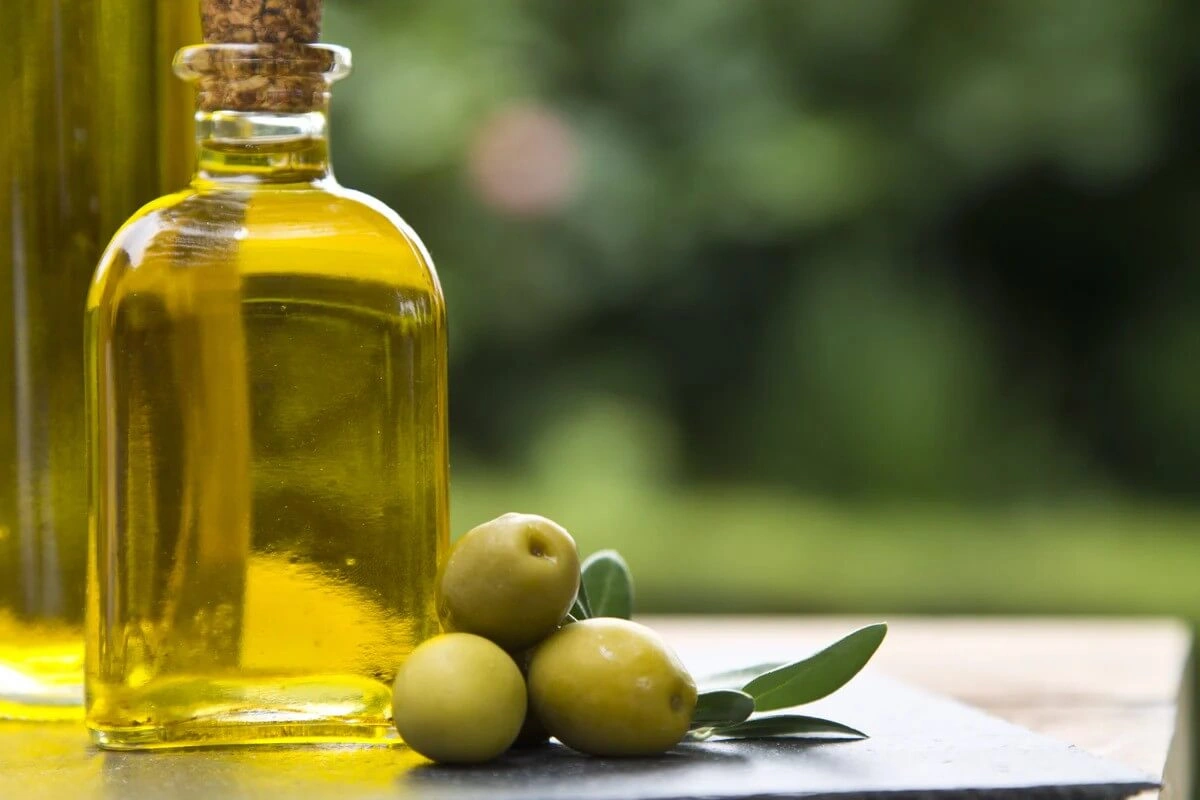
The UK olive oil market is worth hundreds of millions of pounds annually, and it is almost entirely built on confusion. Confusing labels. Confusing terminology. Confusing origin claims that sound specific but reveal nothing meaningful about what is actually in the bottle.
This guide cuts through the noise. By the end, you will know exactly what to look for, what to ignore, and how to identify and buy the best olive oil UK producers and importers currently have to offer.
Content
The Problem With Most Olive Oil in the UK
Let us start with an inconvenient truth: a significant proportion of the olive oil sold in UK supermarkets is not what the label claims.
Multiple independent studies — including research published by the University of California and investigations carried out by consumer organisations across Europe — have found that oils labelled “extra virgin” frequently fail the chemical and sensory standards required for that designation. Common problems include oils that are past their peak freshness, oils blended from multiple countries and presented as single-origin products, and oils that have been lightly refined to correct defects before being labelled as extra virgin.
This is not a marginal issue. It affects products at every price point in mainstream retail. And for UK consumers who are paying a premium for perceived quality, it represents significant value destruction.
Understanding the Quality Pyramid
Olive oil quality can be thought of as a pyramid with several distinct tiers:
Refined olive oil: The base tier. Produced using heat and chemical solvents, then blended with a small amount of extra virgin oil to restore flavour. Legal to sell, but nutritionally diminished.
Pure olive oil / Light olive oil: A blend of refined and extra virgin. The marketing language is misleading — “light” refers to flavour, not calorie content.
Extra virgin olive oil (commodity grade): Technically meets the chemical standards for extra virgin, but is typically a blend of multiple varieties and origins, processed at the lowest possible cost for maximum shelf life.
Extra virgin olive oil (artisan / single-origin grade): Cold-pressed from a single named variety, from a specific region, within a specific harvest window. Full traceability, independent certification, harvest date on the label.
The difference between the bottom and top of this pyramid is not subtle. It is the difference between a functional food ingredient and one of the most nutritionally and gastronomically significant foods in the world.
Five Things to Check Before Buying
- Extra virgin certification
This is the baseline, but as established above, it is not sufficient on its own. Treat it as the minimum threshold, not the quality indicator. - DOP or IGP certification
This is the real quality marker. DOP (Protected Designation of Origin) certification requires independent testing and verification of geographic origin, olive variety, production method, and finished oil quality. It cannot be self-certified, and the standards are strictly enforced. An oil carrying DOP certification has been independently verified at every stage of production. - Named olive variety
Single-variety oils have a specific and identifiable character. If the label does not name the olive variety, the producer has made no commitment to variety consistency. - Harvest date
Extra virgin olive oil reaches peak quality in the three to six months after pressing and degrades progressively from that point. Without a harvest date, you cannot assess freshness. A best-before date set two years from purchase tells you nothing about when the oil was actually pressed. - Named origin
“Product of Italy” can legally describe an oil that was produced from olives grown in multiple countries and simply bottled in Italy. A named region — or better still, a named estate or producer — represents genuine origin accountability.
Why Single-Origin Sicilian EVOO Sets the Standard
Among the world’s great olive oil producing regions, Sicily consistently produces oils of exceptional quality, complexity, and nutritional density. The combination of ancient volcanic soils, extreme Mediterranean climate, and native olive varieties that have adapted to these conditions over millennia creates a product that is genuinely difficult to replicate.
The Biancolilla variety from the Caltanissetta region is a particular standout. Grown at altitude in the interior hills of central Sicily, Biancolilla produces oils of unusual elegance: fresh, herbaceous, and complex, with a characteristic gentle peppery finish that indicates high polyphenol content. It is harvested exclusively in November and cold-pressed within hours of picking.
DOP and IGP Sicilia certification guarantees that every bottle from a certified producer meets independently verified standards for origin, variety, production method, and quality.
The Health Benefits of Choosing Properly
The case for premium olive oil is not just gastronomic — it is nutritional. High-quality cold-pressed EVOO is one of the richest dietary sources of oleocanthal (a natural anti-inflammatory comparable to ibuprofen) and polyphenols (powerful antioxidants associated with cardiovascular, cognitive, and metabolic health benefits).
These compounds degrade rapidly in low-quality oils and in oils that have been sitting on shelves for extended periods. If you are choosing olive oil partly for health reasons — as the majority of UK buyers now say they are — the quality of what you buy matters enormously.
The Recommendation
LAVERDE Artisan sources DOP-certified Biancolilla EVOO directly from multi-generation family producers in Caltanissetta, Sicily. Every bottle carries a harvest date, a named origin, full DOP certification, and is cold-pressed within hours of picking. Available in 100ml, 250ml, and 500ml across the UK.
If you are looking for the best olive oil UK importers currently supply with full traceability and independent certification, this is the standard against which others should be measured.
The Bottom Line
Buying genuinely exceptional olive oil in the UK requires looking past the marketing language and asking three straightforward questions: Where exactly did this come from? When was it pressed? How do I know? If a product cannot answer all three clearly and specifically, it is not the best olive oil the UK market has to offer.